The Persistence (Podcast | Creator & Producer)
The Persistence digs deep into overlooked stories you won’t hear anywhere else. With a sharp intersectional focus and a mix of solid research and personal narratives, it invites listeners to rethink history through the lenses of gender, race, power, and how we remember the past.
Format: Podcast / Narrative Documentary Series
Sector: History, Cultural Commentary, Gender Studies, Audio Storytelling
Role: Creator, Producer, Host
Theme Music: Fold FM
Status: Ongoing
Category:
Development & Research, Story Consulting & Strategy
Release date:
Aug 9, 2024
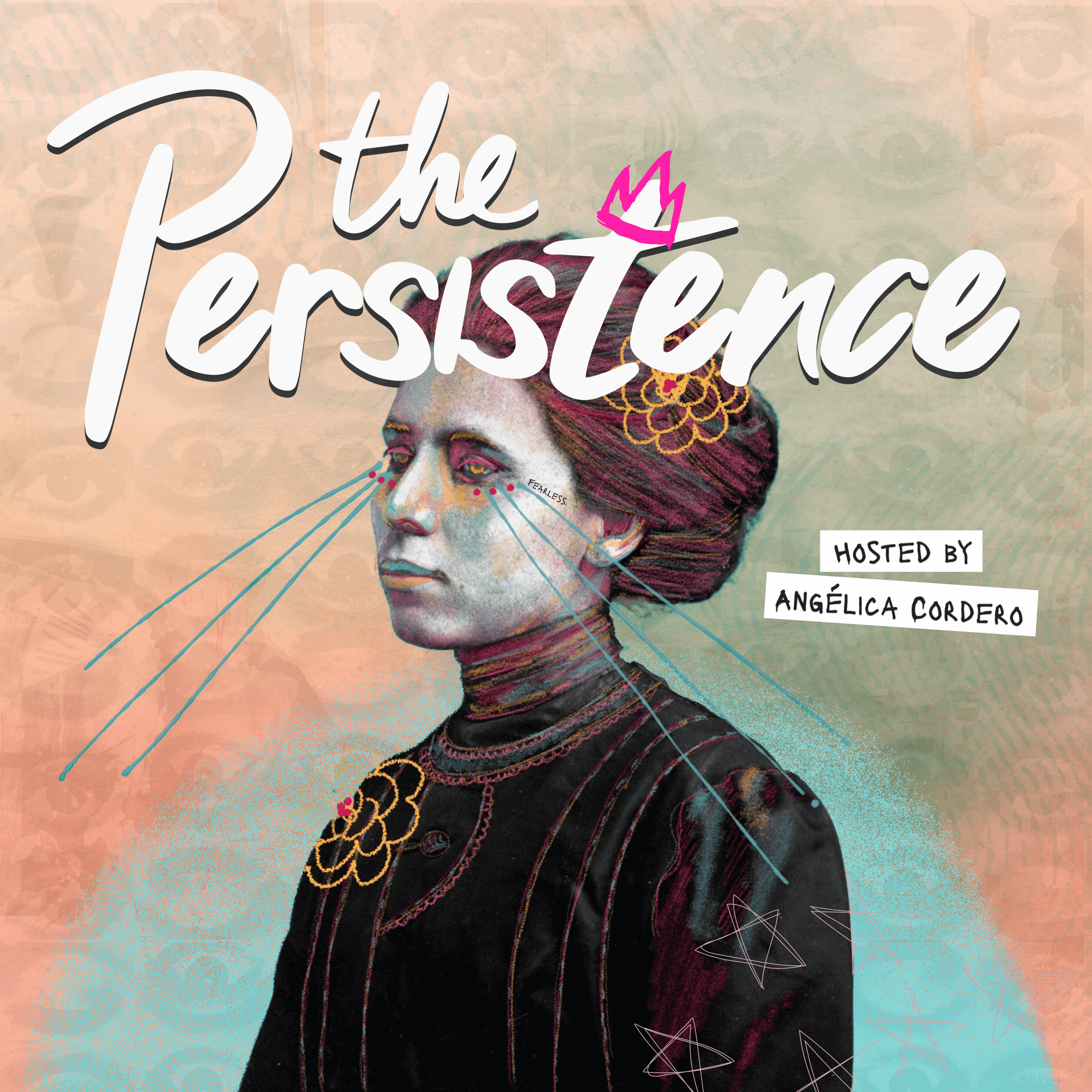
The Persistence digs into the stories that often get left out or forgotten. With a sharp intersectional focus, it blends solid research and personal storytelling to invite listeners to see history differently—through the lenses of gender, race, power, and how we remember what came before. The podcast challenges the usual narratives by giving space to voices that don’t always get heard, sparking fresh conversations about identity, culture, and social justice along the way.
01. The Story Behind the Work
History isn’t just about what happened—it’s about who it happened to, and who got left out of the story. The Persistence was born out of a frustration with narrow narratives and a desire to spotlight the people—especially women, queer folks, and communities of color—who’ve always been part of the fight for justice but rarely make it into the history books.
Why do we keep telling the same version of history, when there are so many voices we haven’t heard from?
I was tired of stories that made it seem like only a few were credited when real change has always come from the margins—from people organizing, resisting, showing up.
The goal was to tell a fuller, richer story that connects past and present through the lens of people who’ve been overlooked, especially around social justice and resistance.
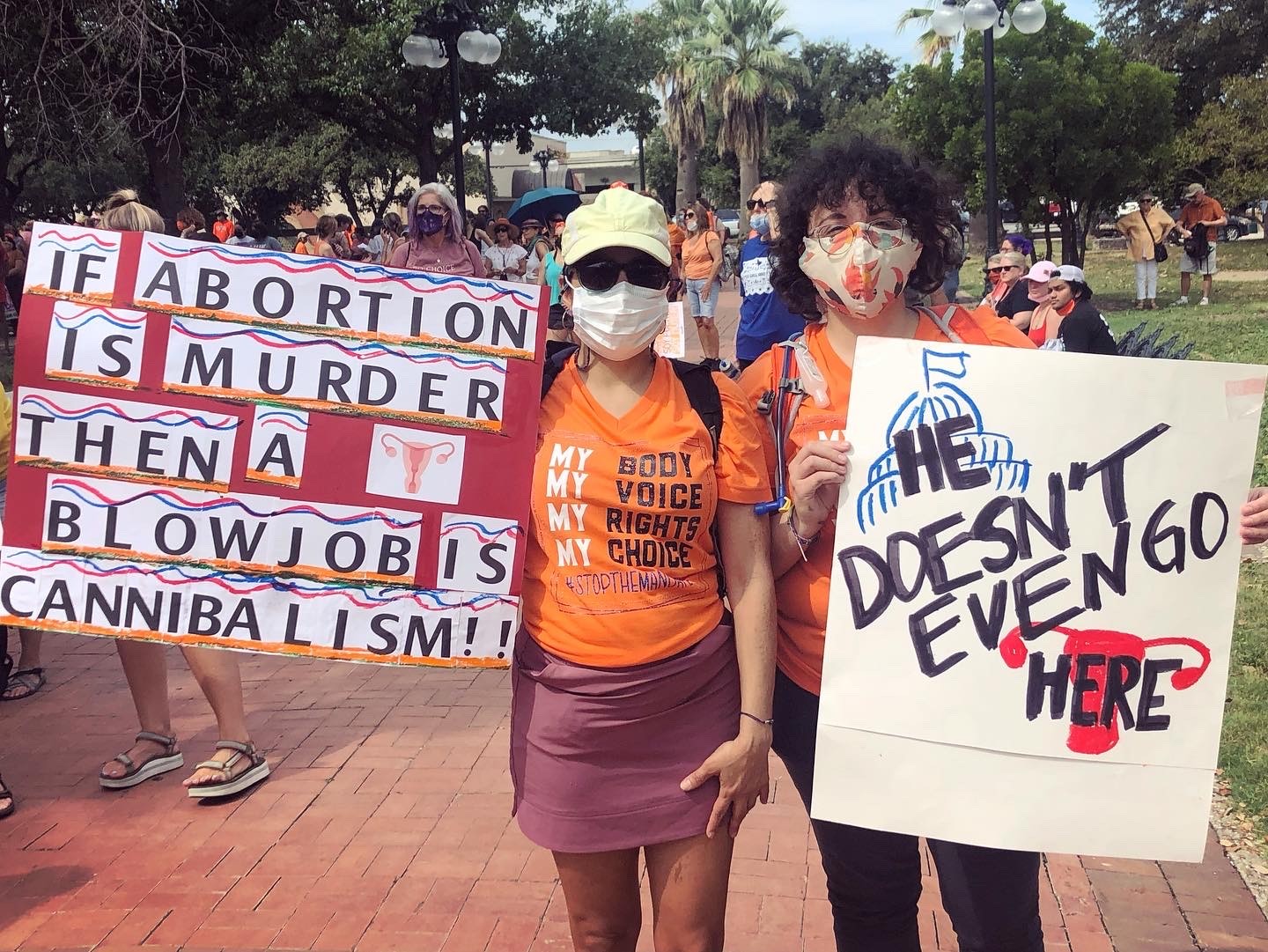
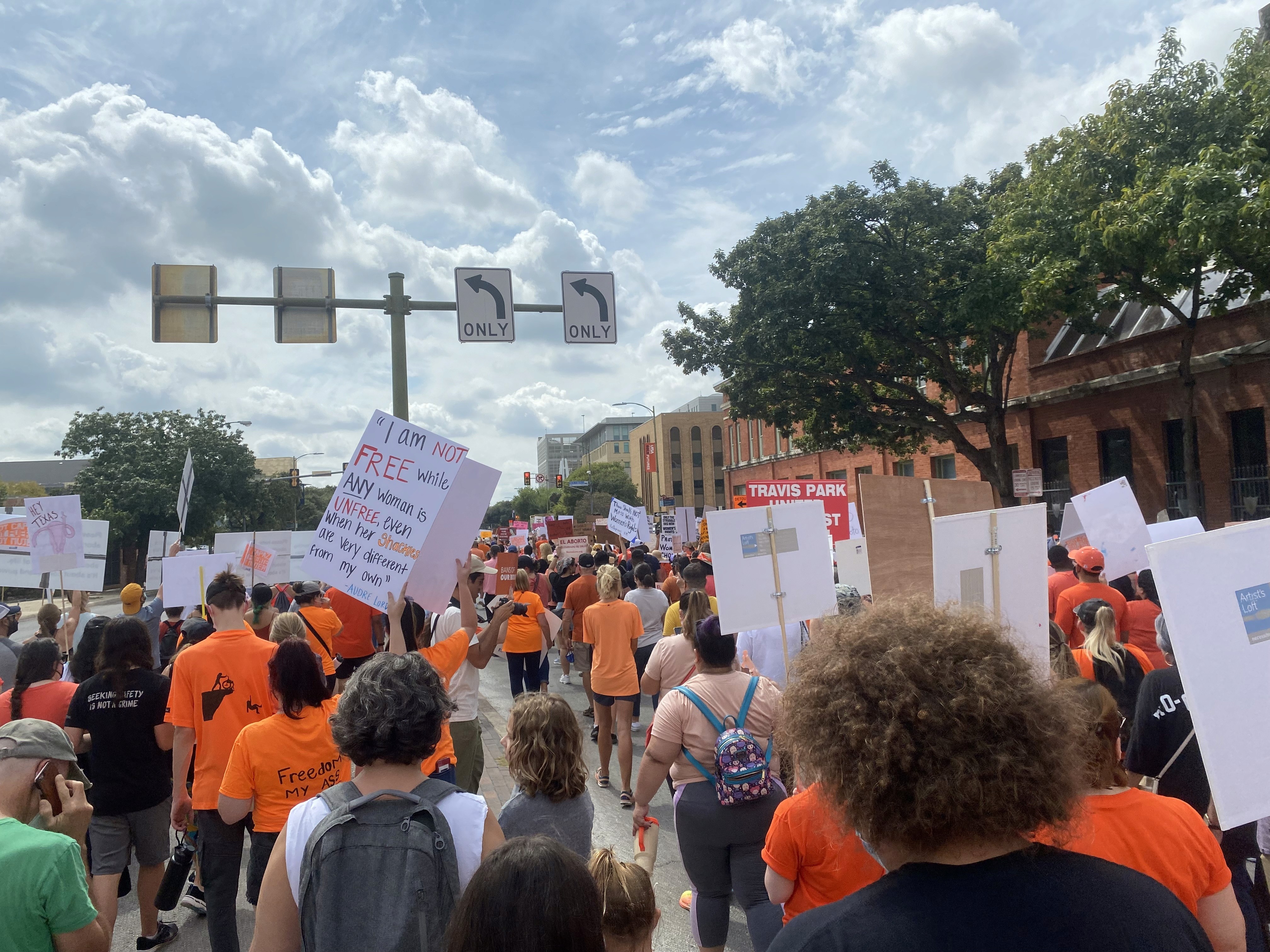
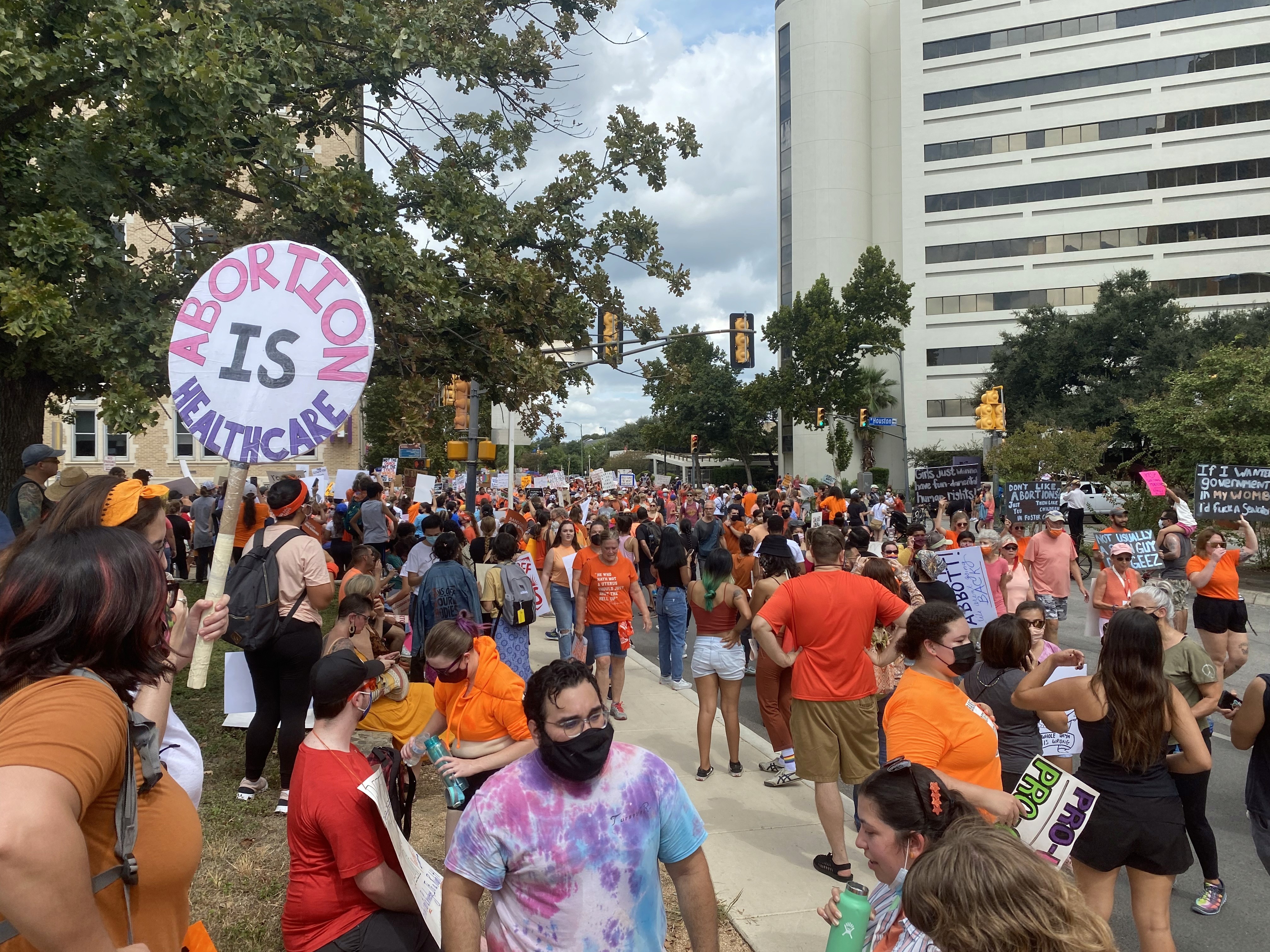
The podcast was sparked by a 2021 protest in San Antonio. Standing among the crowd, angry and heartbroken over Texas’ abortion ban, I realized the fight was part of a centuries-old legacy of resistance. And I wanted to tell those stories—the ones that connect past and present, that remind us we’re not alone, and that showed persistence isn’t just a trait, it’s a legacy.
That moment, combined with years of nerding out over history, community organizing, and storytelling is how this project came to life.
Key to developing the narrative was solving the problem of representation: how to highlight stories that don’t usually make it into textbooks or mainstream media, and how to do present them in an engaging, relevant, and intersectional manner without losing the nuance. As a creator, I wanted to make history feel alive and urgent, not distant or dusty.
This project matters because it helps us see the bigger picture. It invites listeners to connect today’s struggles to a long history of resistance. More than that, it inspires us to imagine a future where every story gets the recognition they deserve. It reminds us that resistance isn’t new and neither is hope.
02. What I Did
Dug deep into history to find the stories that don’t usually get told—especially those from women, queer folks, and communities of color.
Wrote narrative scripts that weave together personal stories, historical moments, and pop culture—making big ideas feel human and relatable.
Shaped the overall vibe and voice of the show to be smart, grounded, and intersectional (with a little bit of sass).
Connected past and present by tying episodes to current events and cultural conversations.
Worked with artists and musicians to make sure the show looked and sounded like the kind of history podcast I’d actually want to listen to.
Helped build an audience through a newsletter, social posts, and direct engagement—because history should be shared, not siloed.
03. The Impact
The Persistence changed the way I thought about telling history. I started this project because I was tired of hearing the same stories over and over—stories that left out the people who’ve always been part of the fight for justice: women, queer folks, communities of color. I wanted to create something that centered those voices and made history feel personal, relevant, and alive. And from the messages I received, I knew it was landing. People told me they felt seen, challenged, and more connected to the past—and to their place in the present.
The storytelling got stronger because it wasn’t just facts and timelines—it was personal, emotional, and grounded in real-life experience. That helped me let go of the idea that history has to sound formal to be meaningful. Instead, I leaned into vulnerability, curiosity, and clarity, which opened up space for deeper conversations and a broader audience. It made the work feel more alive.
I didn’t set out to win awards—I just wanted to make something that mattered. But along the way, it sparked real conversations: about what gets remembered, what gets erased, and how we all fit into these bigger stories. Whether it was through messages from listeners or discussions in classrooms and community spaces, the project created space for reflection, connection, and a sense of shared responsibility. And that’s what keeps me going.