Untitled 1974 Prison Siege Project (TV | Story Development & Research)
Inspired by the 1974 Huntsville prison siege, this series brings a gripping true story to life through grounded research, complex characters, and slow-burning tension.
Format: Limited Television Series
Sector: True Crime / Historical Drama
Role: Historical Researcher & Story Development
Production Company: Bexar West
Collaborators: Producers, Writer, Podcast Producers, Historians
Status: Concept
Category:
Development & Research, Story Consulting & Strategy
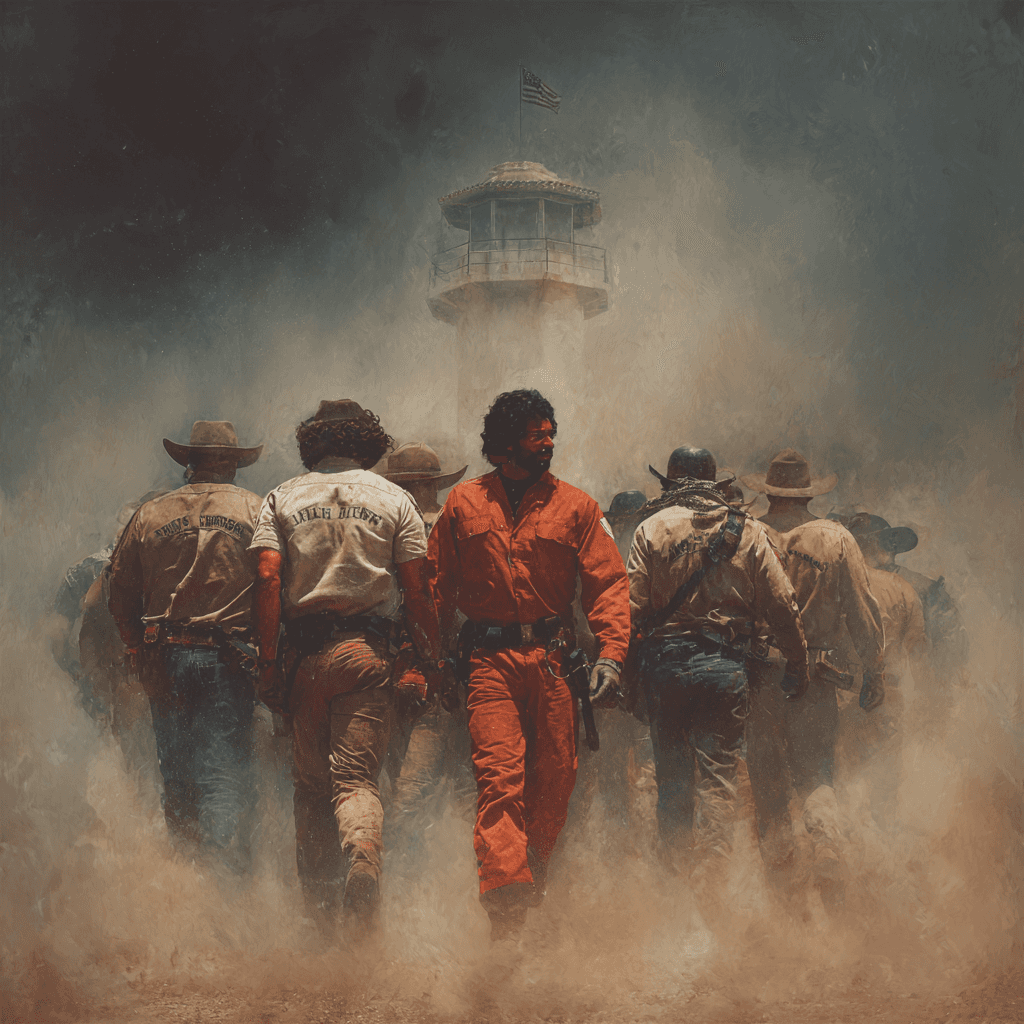
Based on the true events of the 1974 Huntsville prison siege, this series follows a mastermind inmate, a group of hostages, and the slow unraveling of control. What begins as a plan for freedom becomes a psychological battle with no clear way out.
01. The Story Behind the Work
The 1974 siege at Huntsville State Prison remains one of the most intense and pivotal moments in Texas criminal justice history. It exposed deep systemic issues and highlighted the human stories of those caught in a tense and dangerous standoff. This event, often overlooked in mainstream media, offers a powerful lens for exploring themes of power, desperation, and survival.
The project grew from a broader interest in true crime stories that humanize all sides of complex events. The aim was to uncover fresh perspectives on the siege by focusing on the psychological and social forces at play, grounded in detailed historical research and firsthand accounts. Early research uncovered rare interviews and archival materials that revealed the extraordinary nature of the event and the layered experiences of those involved. This rich material inspired a deep dive into narrative development to create an authentic yet dramatic retelling.
During the show’s development, a 10-part podcast series was released that brought new audio and interviews related to the siege to public attention. Featuring hours of original hostage negotiation recordings and firsthand accounts, the podcast offered an immersive look at the crisis that captivated a national audience. Its use of original music and sound design helped connect listeners to the tension and emotion of the event in a powerful way.
The creative team faced the challenge of balancing the intense factual history with storytelling that respected the gravity of the event without sensationalizing it. Moving beyond simple good-versus-evil narratives, the project embraced complex character motivations and moral ambiguity. This required close collaboration between research, writing, and production teams to ensure the story remained truthful and compelling.
Ultimately, the story resonates because it taps into broader conversations about justice, power, and human endurance. It offers a timely and relevant perspective for audiences seeking depth beyond typical true crime. The series aims to spark meaningful dialogue about the lasting impact of this historic event and the social context surrounding it.
02. What I Did
Conducted in-depth research into archival records, news reports, and interviews related to the 1974 Huntsville prison siege
Developed detailed character profiles and story arcs grounded in real historical figures and events
Collaborated closely with writers and producers to shape the narrative direction and ensure historical integrity
Identified and contextualized key social, political, and cultural factors influencing the siege to enrich the story world
Assisted in creating a compelling narrative framework balancing drama with fact
03. The Impact
The research and development work made the emotional and narrative heart of the series much stronger. By digging into overlooked archives and adding deeper historical context, the story grew from a straightforward account into a layered human drama about power, desperation, and survival. It also brought to light the connections between the main character’s story and the broader Chicano Movement of the time, showing how that backdrop shaped the entire narrative.
Because of this research, the team changed how they approached character motivations and pacing. Instead of sticking to a simple good-versus-evil story, they embraced ambiguity and moral complexity. This shift helped keep the story truthful while making it connect better with today’s audiences.
The project has already sparked important conversations among industry peers about handling true crime and historical drama with more nuance and care. Inside the team, it set a new standard for balancing factual accuracy with compelling storytelling.